The immune system is like the police, and its job is to patrol the streets of your body looking for any infections that can make you sick.
But to do this job efficiently, it sometimes needs support. If you’re not sure what boosting your immune system really entails, you have to keep reading.
This simple science lesson will break down how the immune system works, what you can do to support it, and what happens if it goes haywire.
Just what exactly is the immune system?
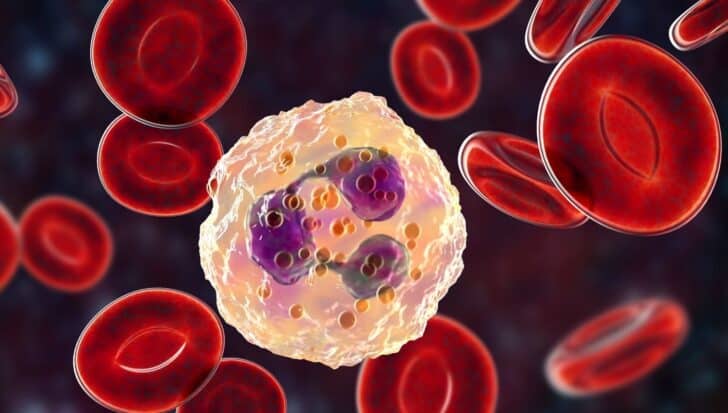
The immune system’s role is to fight off anything that could make you sick, keeping you strong and healthy.
This system is made up of cells, organs, and chemical molecules.
White blood cells are the primary cells of the immune system, and there are many types. Just as various units within the police force handle different kinds of crime, these cells have different functions.
Some fight against bacteria, others deal with viruses, and another group destroys parasites.
These immune cells are typically found in the blood and lymphatic tissue, but can also travel directly to reach tissues and fight any infection there.
So, providing your immune system is in tip-top shape, these invaders have no place to hide.
What are the main parts of the immune system?
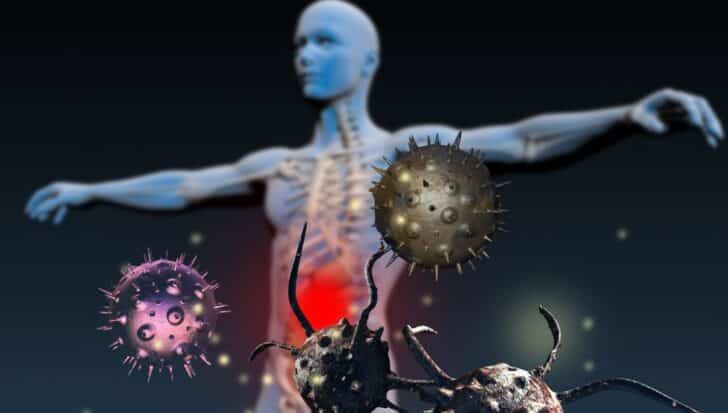
Essential organs of the immune system include the bone marrow, spleen, and thymus.
The bone marrow is the big factory where all blood cells, including the white blood cells, are produced.
The spleen helps to filter blood to remove infectious agents and serves as an additional site for producing white blood cells.
Some cells made in the bone marrow aren’t ready to work in defense until they go to the thymus first, where they mature.
Lastly, the immune system is also made up of molecules, which are chemicals like antibodies, cytokines, and proteins.
Some of these molecules bind to and mark intruders so that white blood cells can easily recognize and destroy them. Others can just eliminate these disease-causing agents directly.
Can you really boost your immune system?

The truth is that there’s no single, simple way to boost your immune system, as it’s a highly complex system.
What you can do, however, is do your best to keep your body in the best shape possible, and your immune system will also benefit.
You could look at your body’s immune system like an army base. Just having soldiers isn’t enough. They need to be well-fed and equipped with the right tools to fight effectively; otherwise, they’ll keep losing battles.
So what does that mean for you?
Nutrition is the first place to start. By eating a balanced diet containing fruits, lean proteins, and green, leafy vegetables, you’re also fueling your immune system.
Boosting your immune system also requires making healthier lifestyle choices. This includes getting adequate sleep, managing stress, and engaging in regular physical activity.
You also want to cut out unhealthy habits that can suppress your immunity, such as consuming excess alcohol and smoking.
How do vaccines help your immune system?

Another way to boost your immune response is to stay up to date with your vaccines.
Vaccines work by intentionally exposing you to a weak or inactive version of a pathogen or its product. But only enough to help your body recognize and build up defenses against it.
The aim is that if you’re exposed to such a pathogen again, your body will be ready to respond quickly and fight the infection more effectively.
How does the immune system work?
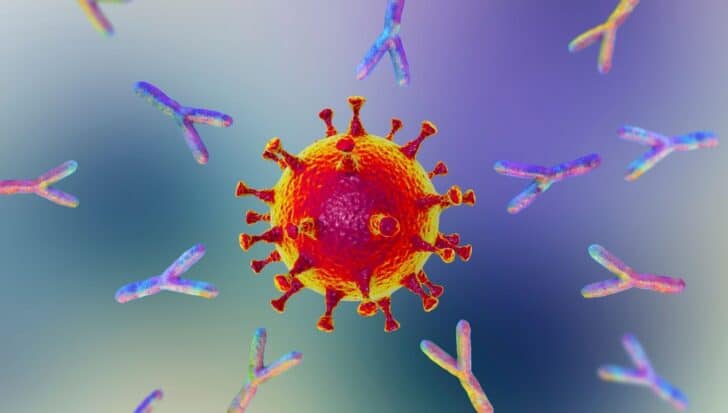
Your body’s immune responses can generally be classified into two types: natural and acquired immunity.
Natural or innate immunity is the one you’re born with and serves as your body’s first line of defense against pathogens.
It’s not directed at any specific kind of microorganism; instead, it acts on all sorts of infections.
Natural immunity includes barriers such as the skin and mucous membranes.
Most microbes can’t cross intact skin, but when this barrier is broken, as when you have a scrape or cut, microbes can enter your body to cause an infection.
Specific immune cells, called phagocytes, are part of your natural immunity. These powerful cells act like Pac-Man and can munch and digest harmful microbes, eliminating them instantly.
Other components of natural immunity include stomach acid, the cough reflex, mucus secretions, and enzymes that you secrete into tears, skin oils, and other body fluids.
Acquired or adaptive immunity, on the other hand, is specialized and directed against specific disease agents.
This type of immunity is further categorized into active and passive, utilizing immune cells called lymphocytes, as well as antibodies.
Active immunity is the kind you get after being exposed to a pathogen. Like with vaccines, after an infection, your body recognizes the invaders and produces special antibodies that can destroy them.
It’ll also store some memory cells so that when you have an exposure like that again in the future, you’re ready to fight.
A final external immunity is passive immunity, where your body receives antibodies directly without having to make them on its own.
A great example of this is breast milk, which provides much-needed antibodies to newborn babies.
This helps protect the young one until their immune system matures. Some medications can also deliver antibodies to you directly.
Can the immune system be overactive?

When the body’s defenses perform their functions to the extreme, it becomes overactive. In a shocking turn of events, this is referred to as an overactive immune system.
In some cases, the immune system overreacts to even harmless substances, causing allergic reactions, which could be life-threatening.
Examples of such conditions include asthma, eczema, and hay fever.
On the other hand, an overactive immune system can attack completely healthy cells, leading to autoimmune conditions.
This overactivity forms the basis of several autoimmune diseases, such as type 1 diabetes mellitus, lupus, and rheumatoid arthritis.
Unfortunately, even the health experts don’t know for sure what causes the immune system to go haywire. But that doesn’t mean there’s no point seeing a doctor.
Certain medications can be used to keep the immune system in check, and seeing a specialist can help you identify what’s triggering your allergies or what areas of your lifestyle or diet need work.
The immune system is your body’s protector that fights infections and helps keep you healthy. You may not be able to boost your immune system directly because it’s a complex system.
You can support its function by adopting healthy lifestyle habits such as eating a well-balanced diet with plenty of healthy vegetables.
Avoiding unhealthy habits like smoking can also do wonders for both your overall health and your immune system.
Most importantly, though, if you have any concerns about your own immune system under or overperforming, you should speak with your doctor.