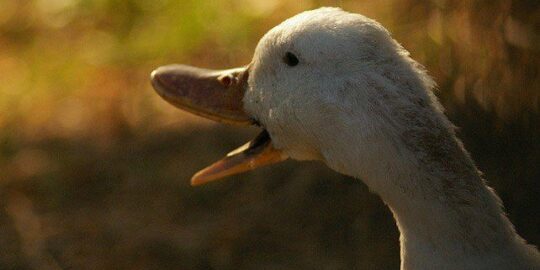
Ducks are among the more common birds that we see. In fact, it’s not uncommon to see a family of ducks at your local park.
They may not be as exotic as other animals or birds, but they still have a fascinating biology.
The biggest question people have about ducks is whether their quacks can echo or not.
But they have so many more unique qualities to them that you never would have thought of! Because if you think about it, what facts do we actually know about ducks?
Find out here what there is to learn about these underrated birds!
Duck’s feet are cold-proof.

If you’ve ever seen a duck waddling about in the snow or swimming on a cold winter day, don’t worry about them!
Ducks’ feathers insulate their bodies, but their feet stay warm without extra protection thanks to a clever adaptation.
They use a system called counter-current heat exchange: warm blood flowing to the feet passes close to cold blood returning to the body, warming it up and saving heat.
Duck’s quacks do echo.
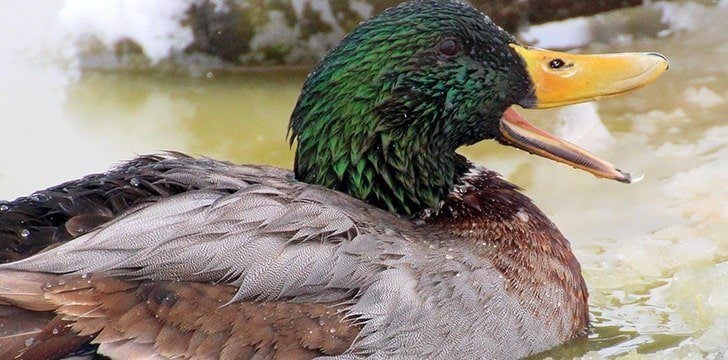
The reason many people don’t think duck quacks echo, is because the tone of the quack makes it difficult to hear.
A quack is a sound that fades in and out, which makes it difficult to discern which sound is the original quack, and which sound is the echo!
Ducks eat rocks.

It’s not for lack of having other food sources. Ducks will eat gravel, small stones, or sand.
The store the rocks in their gizzards and use the rough textures to help with breaking down the food.
That’s one way to do it!
Ducks have three eyelids.

Ducks have an array of impressive eye features. They have excellent vision, and since their eyes are on the sides of their heads, they have a field of vision of almost 340 degrees.
Due to the shape of their eyes, they can see objects near and far, simultaneously. Finally, ducks can see in color!
You may also like this infographic on how animals see the world.
Ducks have different names.
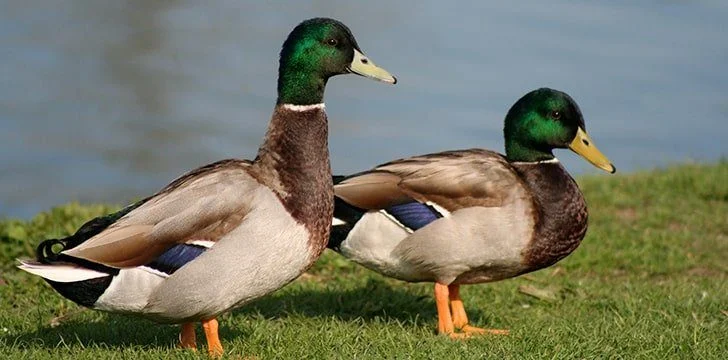
Male ducks are called Drakes, females are called Hens, and baby ducks are known as Ducklings.
In the end, it doesn’t matter which one it is, because all ducks are cute!
The fastest duck was a Red-breasted Merganser.
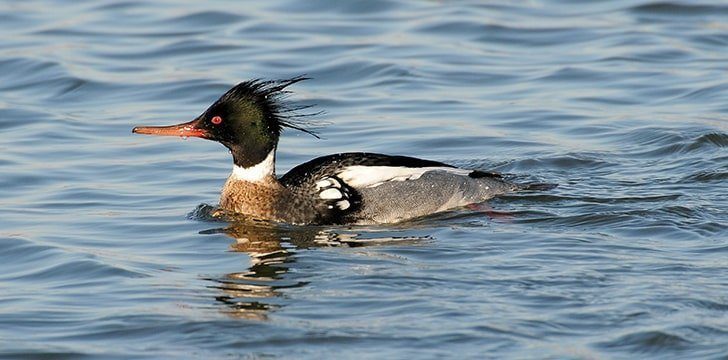
This particular Red-breasted Merganser duck broke the original record for the fastest duck.
The first record was originally held by a Canvasback duck which flew at 72 mph.
The Red-breasted Merganser was once recorded flying at just over 100 miles per hour, whilst being pursued by a plane.
Ducks can fly as high as airplanes.

Ducks normally migrate between 200 and 4,000 feet in the air.
However, they are capable of reaching far greater heights.
A jet plane over Nevada once struck a Mallard at an altitude of 21,000 feet!
This impressive height is currently the highest recorded flight of any duck!
Ducks are hard to sneak up on.

The vigilant creatures they are, Mallard ducks are alert even when they’re sleeping.
While sleeping in a group, there are “guard” ducks that sleep on the outside of the group with one eye open.
By doing this, they control which side of the brain stays awake.
Ducklings mature quickly.

Almost immediately after hatching, ducklings are independent soon after.
The babies are born with their eyes wide open, and already have down feathers to stay warm.
Baby ducklings usually learn how to fly before they’re two months old.
Preening helps ducks stay dry.

Preening is how ducks groom themselves. Even though they technically take baths every time they go in water, preening removes dust, dirt, and parasites.
While they preen, ducks will spread waxy oil which is waterproof, across their feathers.
Now, not only did you learn that a ducks quack does in fact echo, but you also found out how, along with 9 other interesting duck facts!
These water birds are certainly more interesting than we give them credit for.
Which one of these surprised you the most? Share your favorite duck facts with a friend!