Snowflakes and snow crystals are basically the same, a crystal is one tiny bit of ice, and snowflakes are many snow crystals stuck together.
Many of us love to see the first piece of snow in the winter, although we wish it would only stop at the one snowflake.
Check out the facts about snowflakes below!
What exactly are snowflakes?
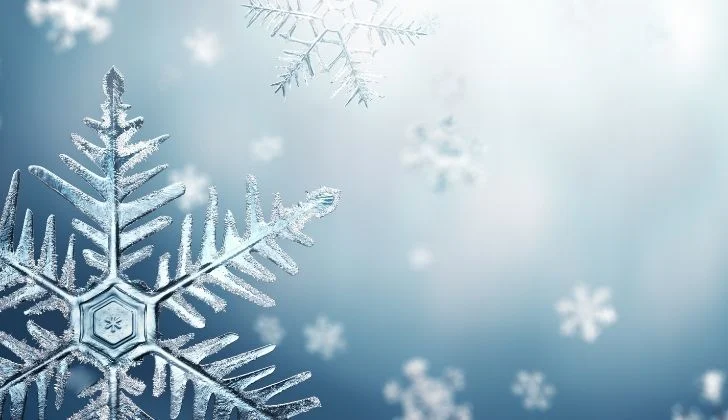
Snowflakes are not frozen raindrops. Frozen raindrops are known as sleet.
Snow crystals are formed when water vapor freezes, which all happens in the clouds.
Snowflakes are also formed in the clouds, this happens when water droplets freeze and become ice crystals.
Water vapor in the cloud assembles on this crystalized bit of ice, causing it to stretch into a basic hexagonal prism and then shoot branches to create a more difficult and complex shape.
Once this has happened, snowflakes then change even more to make them unique.
Snowflake’s shape and symmetry.
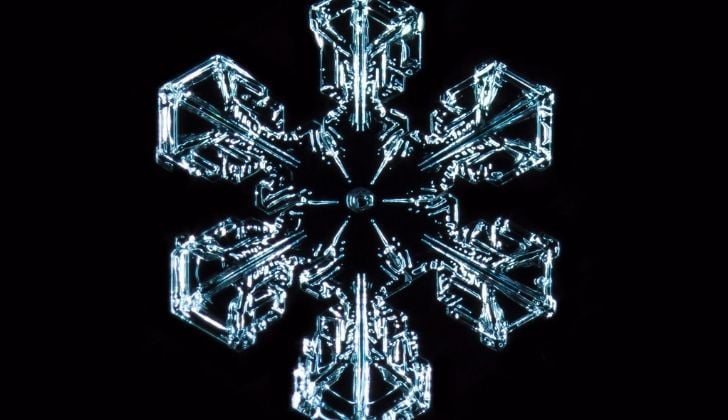
The temperature and dampness of the cloud constantly change, which affects the shape of each snowflake.
Although snowflakes can change shape so quickly, the hexagonal symmetry is kept.
Snowflakes can be categorized into six main types, plate (flat), column, stars, dendrite, lacy, needle, and capped column.
When it is extremely cold, the snow is very fine and powdery, and snowflakes become quite simple in design, usually needle or rod-shaped.
When the temperature is near to freezing point (0 degrees Celsius), snowflakes become much larger and a lot more complex in design.
There are 35 main snowflakes that you could recognize by just looking closely at.
No two are ever the same.
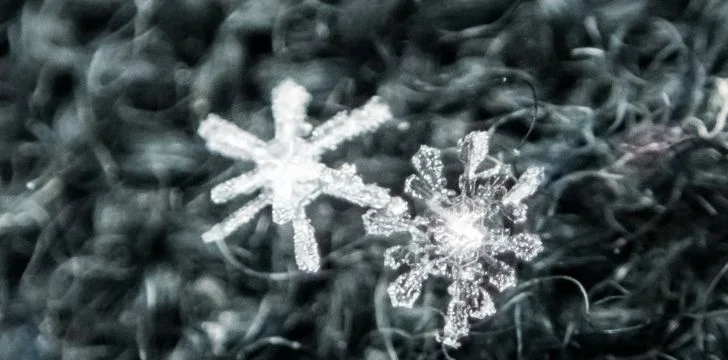
It is indeed extremely unlikely that two complex snowflakes will look exactly alike.
It’s so extremely unlikely; in fact, that even if you looked at everyone ever made, you would not find any exact duplicates.
The world’s biggest snowflake.
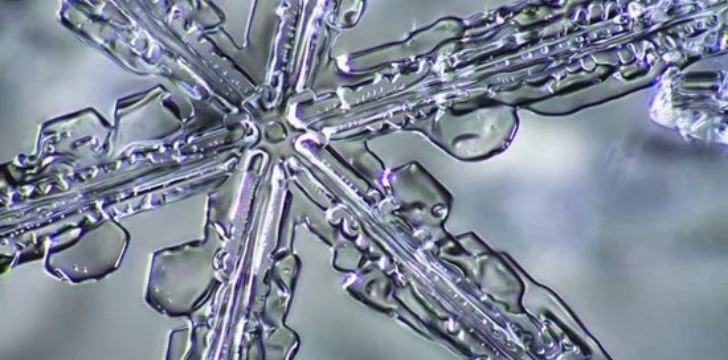
According to the Guinness World Records, the largest snowflake in the world was 15 inches wide and 8 inches thick.
This was recorded on January 28, 1887, by Matt Coleman at Fort Keogh, Montana.
He said that the snowflake was “larger than milk pans.”
So there you have it. Snowflakes may be far more unique than you first thought.
I, for one, will be having a closer look next time it starts snowing.