We use soap daily to clean our bodies, clothes, and even surfaces. And as we do, we trust that it’s not just cleaning dirt but also killing germs that could make us sick.
But surely you must have wondered at least once how soap cleans and kills germs, or how it’s made?
And which kind of soap is best for you? Well, now you can solve that mystery once and for all.
Join us as we get into the squeaky-clean science behind how soap works!
What is soap made of?
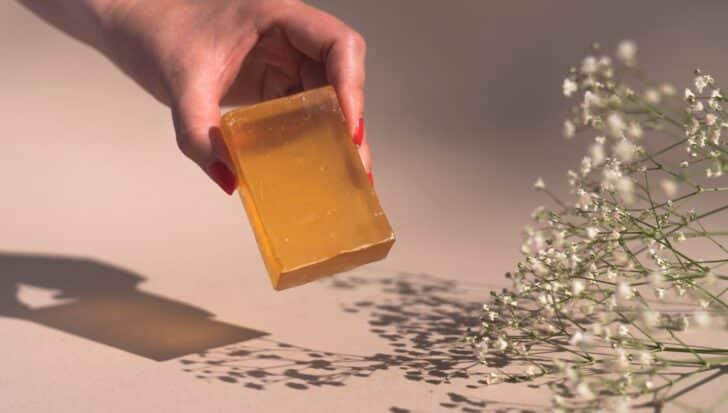
Chemically speaking, soap is a salt of a fatty acid that forms when fats or oils react with alkalis. This process is known as saponification, and humans have used it for thousands of years.
One of the earliest records of soap-making dates back to ancient Babylon, around 2800 BC. The recipe back then was simple and involved mixing the fats from animals and wood ash.
Over time, the soap-making process has evolved, and we now have many varieties on the market.
Fun fact: Soap isn’t only for cleaning. Some may be used as lubricants in machinery, sealants for closing small leaks, and pest control.
What is the science behind how soap cleans and kills germs?
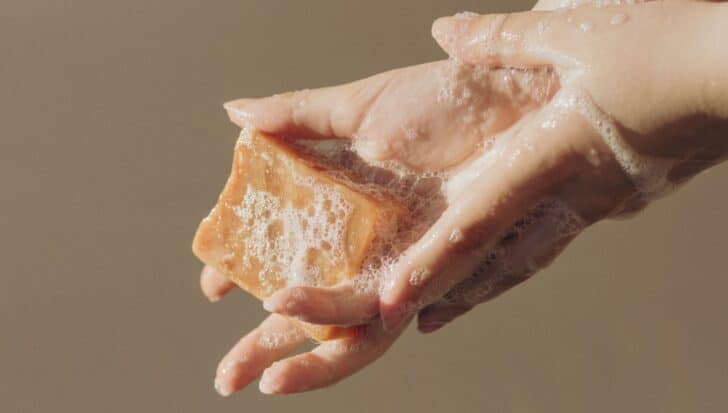
Soap is such a great cleaning agent because of its emulsification power. This means that soap molecules act like a bridge connecting grease and water.
Imagine a soap molecule like an office pin, where the round head loves water (hydrophilic), while the long pointed tail loves oil (hydrophobic).
When soap comes in contact with a greasy spot, the hydrophobic tails enter the oil while the hydrophilic head remains in the water. That’s how soap molecules form the bridge.
More and more soap molecules arrange themselves around the grease stain until it’s surrounded, eventually lifting it off.
This formation of oil surrounded by soap molecules is called a micelle. At this point, you only need to wipe the spot or rinse it thoroughly, and it will be squeaky clean.
Soap can also remove most germs in much the same way it tackles dirt. Some germs have a fatty membrane that soap molecules can bind to and break apart, essentially killing the organism.
Even for germs that soap can’t kill directly, they can stick to their membranes, making it easier to wash them off with water.
Is antibacterial soap better than regular soap?
Antibacterial soaps are made with special agents that can kill germs, like triclosan or triclocarban.
These types of soaps are often marketed as better and more effective at cleaning, but are they really?
The short answer is no. According to the U.S. Food and Drug Administration, you don’t need a special antibacterial soap for basic handwashing. Any regular soap will get the job done.
However, there might be an even bigger issue with using antibacterial soaps, as they could cause more harm than good.
For starters, these types of soaps kill all kinds of bacteria, even the good ones on your skin.
These good microbes play an essential role in keeping you healthy by making it harder for the harmful microbes to grow and cause infection.
Scientists also worry that constantly using antibacterial soaps could cause the growth of super germs that are difficult to treat.
Why is washing with soap and water better than using hand sanitizer?
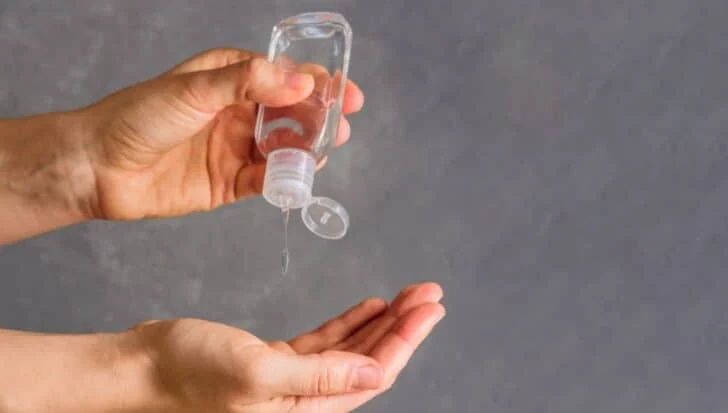
Most hand sanitizers are made with 60% alcohol, just enough to break the fatty lipid membranes of many bacteria and viruses.
But here’s the thing: Hand sanitizer can’t kill all kinds of germs, so some nasty bugs might still linger.
Another limitation is that hand sanitizers do absolutely nothing for other harmful chemicals that might get onto your hands.
This includes toxins like pesticides and heavy metals, which can make you sick.
Also, hand sanitizers don’t clean dirt. Imagine you’ve been working in the garden, and your hands are covered with soil.
If you squeeze hand sanitizers into your palm, you’ll just have a muddy mess!
In essence, hand sanitizers are excellent when you’re on the go, but aren’t a replacement for good old soap and water.
Now, you have your answer at last. Soap cleans dirt and kills germs because it attaches to them on a microscopic level, so you can wash them off with water.
But while you don’t need special kinds of soap, you should take the time to scrub your hands for the recommended 20 seconds.
As for hand sanitizers, they’re only a temporary solution. So you still need to wash your hands whenever you can, even if you’ve used hand sanitizer.