Halloween is a widely loved holiday. It’s a day to dress up, visit haunted houses, and beautify your home with spooky Halloween decorations.
Though there is one tradition that makes this day-or night rather special – the children knocking door to door in fancy dress shouting “trick or treat” in exchange for candy and snacks.
But why do they do this? What’s the meaning behind trick or treating?
Check out the history of this strange tradition below!
When did trick-or-treating start?
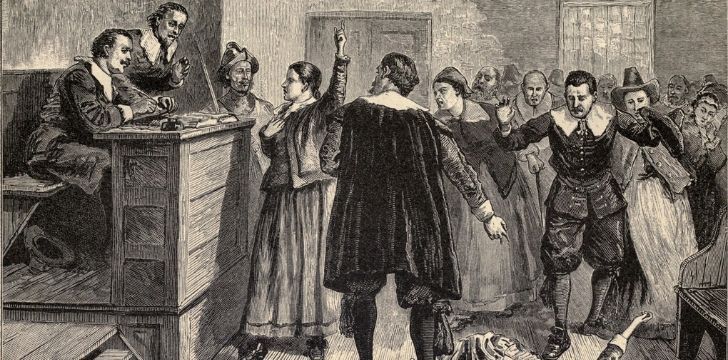
The practice of trick or treating has been around since the time of the Celts 2,000 years ago.
Halloween was then known as Samhain, or the end of the harvest season and the beginning of winter, the darker part of the year.
Trick or treating began as what was called “mumming” or dressing up as a ghost or demon and acting like a fool for drinks and food.
This tradition lasted until the ninth century.
In the Middle Ages…
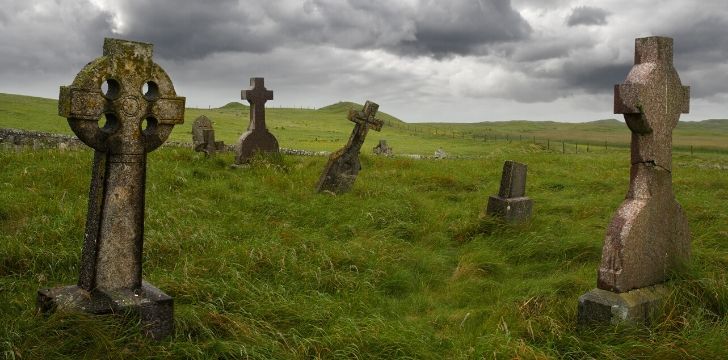
Christianity found its way to the Celtic lands and Christian customs mingled with old Pagan ones.
November 2nd was known as “All Souls Day” at that time. The people would honor the dead with masquerades and bonfires.
Some practiced “souling,” an early form of day trick or treating, where those without much money would visit the homes of the wealthy.
The poor would ask for food and candy in exchange for the promise that they would pray for the wealthy family’s dead loved ones.
The Scottish practiced “guising”.
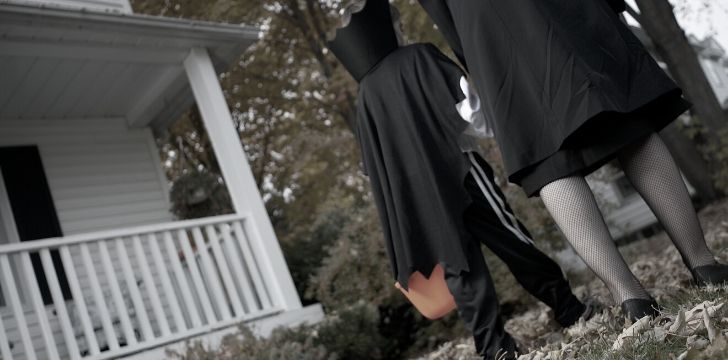
In Scotland, children would go door to door just like children do now, only they would perform a type of act or trick in exchange for food, sweets or ale.
This was a practice known as “guising” – a trick for a treat.
The U.K. birthed the tradition of modern day trick or treating.
The closest tradition that most resembles modern day trick or treating, originated in the UK in the early 1800’s.
Children would walk around their neighborhood wearing masks and carrying effigies, or small sculptures.
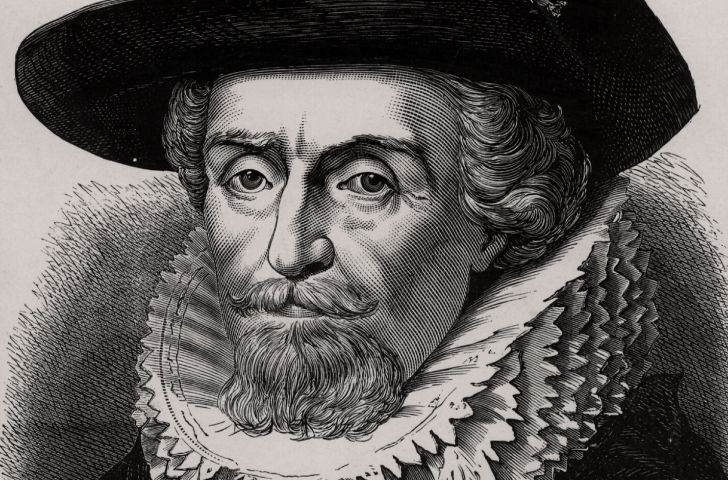
It was a tradition practiced because of an event in the early 1600’s, when a man named Guy Fawkes was caught and executed for being involved in a plot to blow up the parliament building, and remove King James I from power.
Nineteenth century children would wear masks while carrying little representations of Fawkes and ask people “a penny for the guy?”
Trick or treating in the U.S.A.
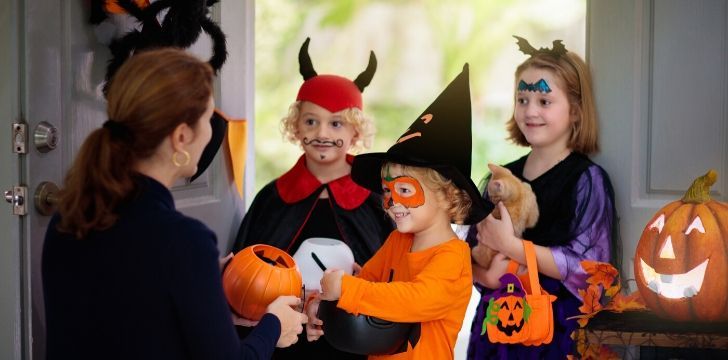
Early American colonists brought Guy Fawkes Day with them, and later Irish and Scottish immigrants helped make it popular.
During this time cultures mixed until the name Halloween stuck with this holiday.
Trick or treating continued to happen annually until World War II, but became popular again after the war when many children populated America during the “baby boom”.
Candy companies began making a lot of money from people buying candy for the children in their neighborhoods each year.
Today Americans spend about $6 Billion on candy each year on Halloween.
So, from Celtic mumming, souling, Scottish guising, and early Britons asking “a penny for the guy,” the tradition we all love has very deep roots.
Trick or Treating has its origins in multiple cultures and parts in history. The well-known Halloween custom has had many contributing factors to its existence.
Not to mention we even have the baby boomers to thank for Trick or treating’s continued popularity.