Peru offers breathtaking views and thrilling outdoor adventures that should place it at the top of your travel list. As a bonus, you’ll meet some of the warmest people ever and enjoy mouth-watering dishes.
Now, if you’ve never been to Peru, it’s hard to believe you can find all these in one place.
But you’d be reluctant to leave after touring Peru’s many historical sites and experiencing its rich culture.
Still not convinced? Maybe a Peru-se through these facts will help!
Peru is the third-largest country in South America.
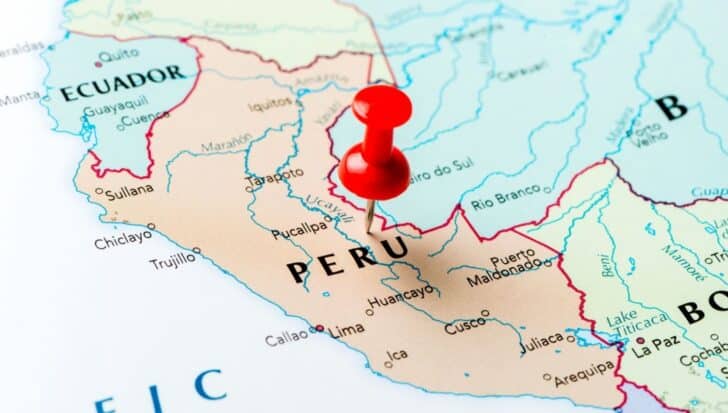
With an area of 496,225 square miles (1,285,216 square kilometers), Peru makes up 7% of the continent’s total landmass.
The country’s borders are formed by Ecuador, Colombia, Bolivia, Chile, Brazil, and the Pacific Ocean.
Peru is divided into 25 regions, but its landscape is far from uniform.
Depending on which part of the country you’re visiting, you could be exploring mountains, rainforests, deserts, and coastal regions.
At least 47 indigenous languages are spoken in Peru.
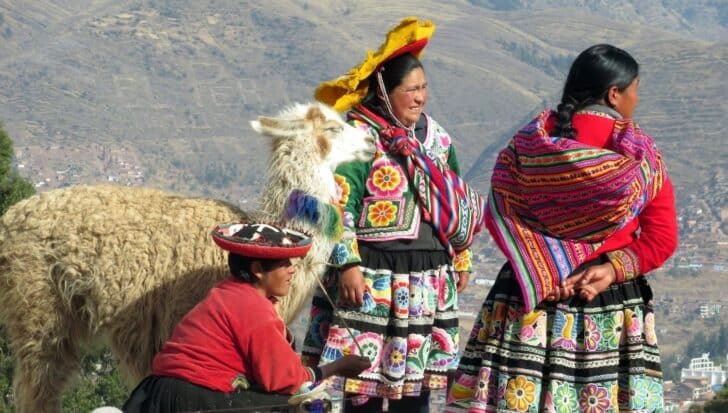
That’s the number the Peruvian government reports, although others, such as UNESCO, report 48. Roughly four million indigenous people from 55 distinct tribes live in Peru, each with their own cultural traditions and languages or dialects.
However, the country has three official languages: Spanish, Quechua, and Aymara.
Of these, Spanish is the most widely spoken, with about 82.6% of the country being verbally fluent.
Next is Quechua, spoken by 16.92% of Peruvians, the most commonly spoken indigenous language in Peru.
Almost a third of Peru’s 32 million inhabitants live in the capital.
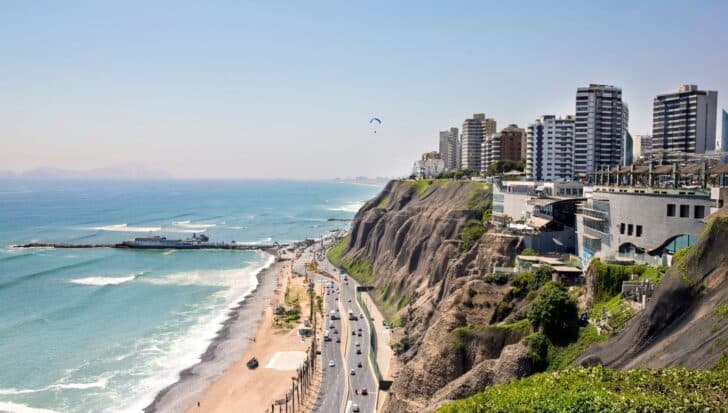
Lima, Peru’s capital city, lies on the country’s west coast, overlooking the Pacific Ocean. Peru’s population is spread out over a very large area, and most of its cities are not very large.
So, it’s not just the largest city in the country but also the center of the nation’s economic and business activities.
In comparison, Arequipa, the country’s second largest city, has a population of just over a million, a vast difference from the crowded capital. And Cusco? A mere 430,000 or so!
Peru has an incredibly diverse climate.
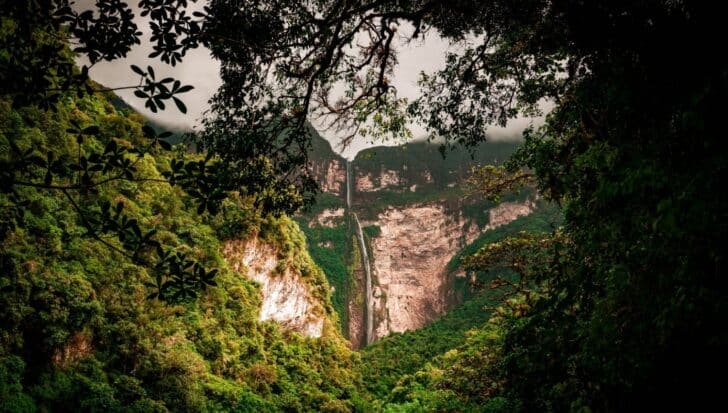
The country is home to thirty of the world’s thirty-two major climates, and ninety microclimates, with the three most dominant climates found across three major regions.
The coastal areas are either arid or subtropical deserts, and Peru’s significant slice of the Amazon is, of course, a hot and sweaty tropical rainforest.
Then, there’s the sharply contrasting alpine and highland climate in the Andes.
In Quechua, the Inca Empire is Tahuantinsuyo.
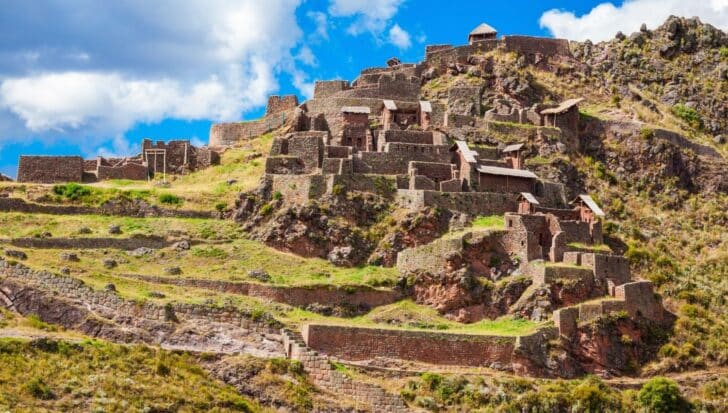
Tahuantinsuyo reflects the empire’s bringing together of many cultures, as it translates to “The Four Regions Together,” referring to the four parts that made up the empire: Chinchaysuyo, Antisuyo, Contisuyo, and Collasuyo.
This vast, flourishing empire had only just reached its peak when Spanish Conquistadors decimated it with war and plagues.
At the height of its power, the Inca Empire spread across parts of modern Peru, Argentina, Colombia, Bolivia, Chile, and Ecuador.
Peru has more potato varieties than anywhere else in the world.
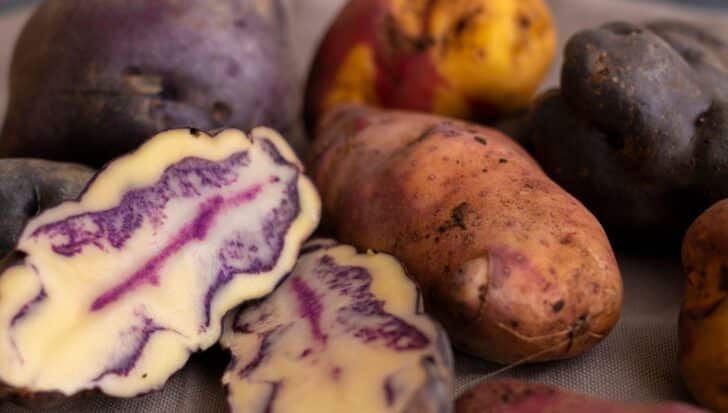
The ancient people of Peru first began to cultivate potatoes sometime around 8,000 to 5,000 B.C..
As with any crop that’s cultivated for so long (such as apples), there are now an incredible number of varieties.
Peru boasts at least 4,000 different potato species native to the country.
Often, these unique potato varieties don’t make it to major markets; Farmers usually only produce enough to sustain their families and sell locally.
So, if you want to find the most unique potatoes, you’ll have to head to Peru!
Peru’s national dish is cooked in a rather surprising way.
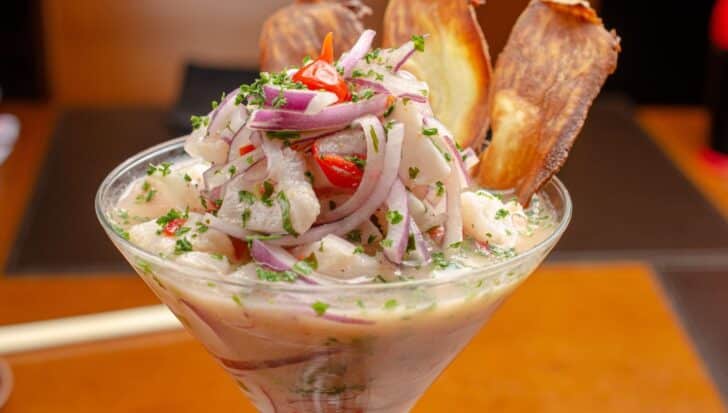
Ceviche, Peru’s national dish, is probably unlike anything you’ve ever tasted: succulent cubes of freshly-caught fish soaked in a citrus marinade with a wide variety of add-ons.
Now, the fish in ceviche isn’t cooked, exactly, but it’s also not raw.
There’s some fascinating science involved, but essentially, the acidity in the marinade breaks down the proteins, unleashing a rich flavor and effectively “cooking” it—no heat necessary!
Traditional Peruvian ponchos can take up to six months to make.
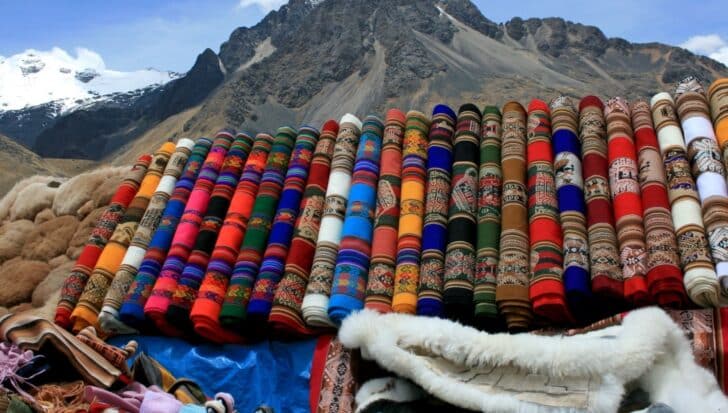
Traditionally, Peruvian ponchos are made using alpaca wool or, in some cases, sheep or Vicuña wool.
However, these aren’t just ordinary garments, but are also symbols of authority and status in Peruvian culture.
They typically feature brightly colored geometric patterns or animal drawings.
The best thing about them, though, is that they’re incredibly warm and cosy!
Ancient Andeans used knotted cords to keep records.

This unique record-keeping device, Quipu, was made from knotted strips of cotton or alpaca fur. From what we’ve been able to decipher, the knots represent numerical values.
They also featured different colours, fibers, and different cords or ribbons attached to different points that we’re fairly sure represent non-numerical information, but research is ongoing.
An average of 1.6 million people visit Machu Picchu each year.
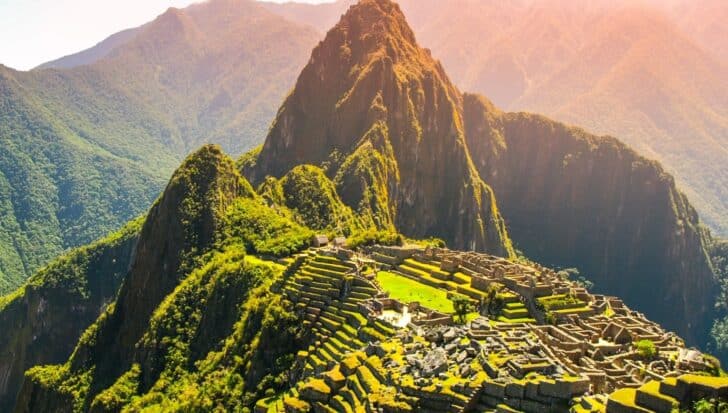
That’s a daily average of around 4,300 people!
The Peruvian government limits visitors to Machu Picchu to 4,500 in the low season and 5,600 in the high season to prevent overcrowding and associated damages.
So, if you want to visit, you have to secure your tickets months in advance.
Fun fact: This 15th-century Inca sanctuary was made one of the New Seven Wonders of the World in 2007.
Peru is known for the ancient art of salt forming.
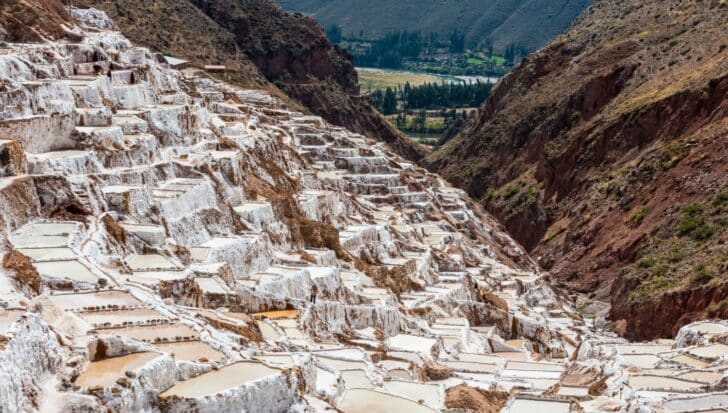
In the salt fields of Maras, near Cusco, salt is made from salt-rich spring water through evaporation. This process has been carried out for over 500 years, predating the Inca Empire.
The process has remained unchanged for centuries: Salt water is channeled from the stream into different ponds and sealed off.
As the water evaporates, salt crystals form, which are then collected and processed for sale.
Peru has over 50 varieties of corn.
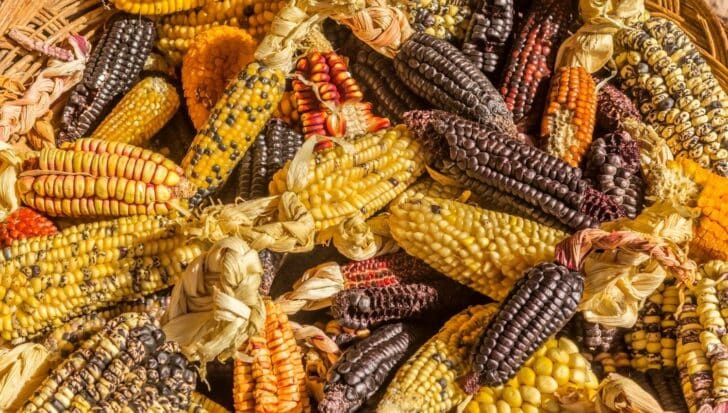
Thanks to the country’s diverse microclimates, at least 55 different varieties of corn can be found in Peru.
Peruvian corn comes in many different colors, such as yellow, black, white, and purple.
With this many corn varieties available in the country, it makes sense that it’s a staple in the Peruvian diet.
Some traditional Peruvian dishes made with corn include pachamanca (a rich meat and corn stew slow-cooked underground), causa (layers of mashed potato, corn, often with chicken), and humitas (steamed corn cakes).
Guinea pigs are celebrated every year in Peru.
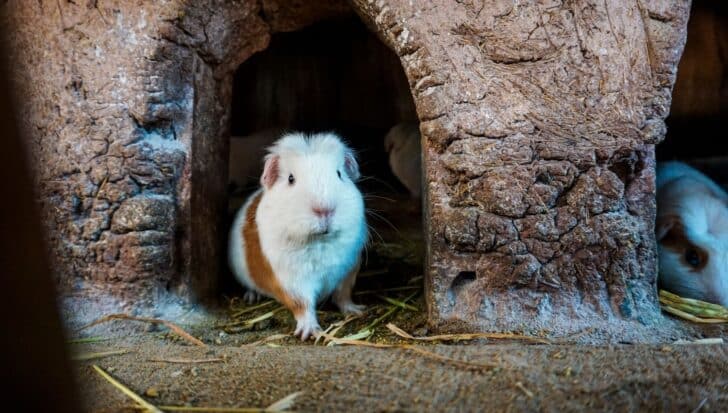
Guinea pigs, or cuy in Quechua, hold a special place in the hearts of Peruvians, although not in the way you would expect.
They’re celebrated every year, on the second Friday of October, and great feasts are put on. Just not for the guinea pigs.
Instead, these furry little friends are dressed to the nines in fancy costumes, paraded around, and then slow-roasted over hot coals!
Cuy have been seen as an essential food source for centuries, predating the arrival of the Conquistadors, and the tradition of eating them is alive and well across Peru.
Peru’s national drink has its own holiday.

Every year, on the first Saturday of February, Peruvians celebrate their national drink, the Pisco Sour.
This iconic cocktail, invented in the 1920s, is made from lime juice, egg whites, Angostura bitters, and, of course, Pisco.
Pisco itself was invented in the 16th century by Spaniards in Peru as a replacement for a Spanish brandy and is made from distilled fermented grape juice.
For Peruvians, the holiday isn’t just about the drink. Instead, it’s a celebration of Peruvian culture (yes, guinea pigs too).
The mysterious Nazca Lines are located within the Peruvian desert.
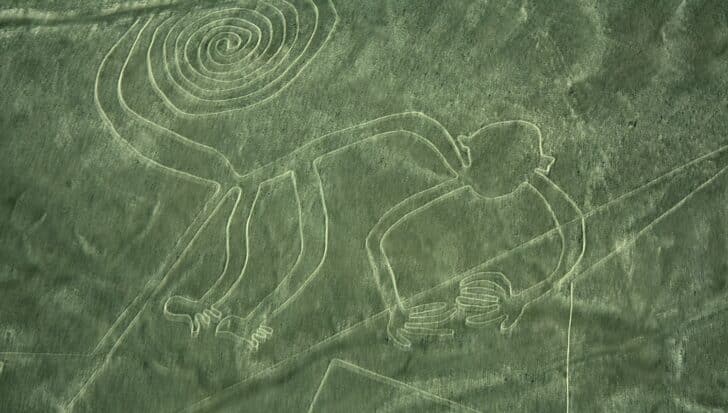
The Nazca lines are special markings called geoglyphs that were meticulously etched into the desert plains.
There are 700 in total; some are just straight lines, but many are intricate representations of birds and plants.
What makes the Nazca lines special is that they’re enormous, with the sum lengths of all the lines adding up to a mind-bending 807 miles (1,300 km).
They are easily recognizable from the sky or nearby hilltops and depict geometric shapes or animals.
The Nazca lines were believed to have been created by the Nazca civilization between 500 B.C. and 500 A.D.
The Amazon River begins in Peru.
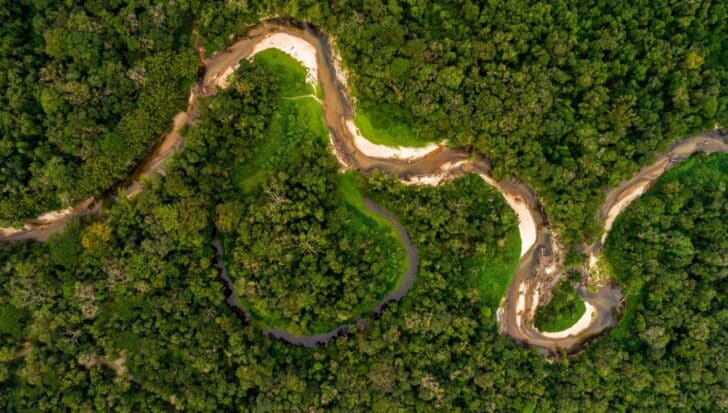
After years of research, scientists finally concluded that the Amazon River’s source is in Peru.
The river begins as a little trickle down the sides of the mountains in the Peruvian Andes near Nevado Mismi, Arequipa.
As it flows through South America, it builds up, eventually becoming the life force of the Amazon and much of South America.
Peru has the world’s largest sand dune.
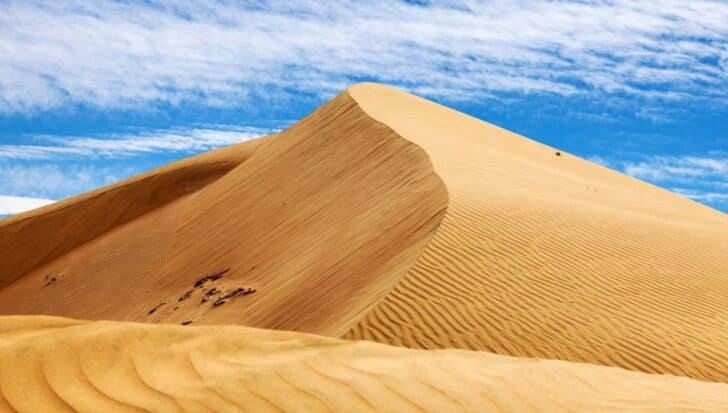
Forget about the Sahara and Namib deserts. If you want to see the world’s largest sand dune, you must visit Peru’s Cerro Blanco, located near Nazca in the Ica region.
It reaches an impressive height of 6,817 feet (2,077 meters) and is a paradise for tourists looking for breathtaking views.
If that’s not your thing, you can go sandboarding, too!
There’s a stunning mountain in Peru with rainbow streaks.
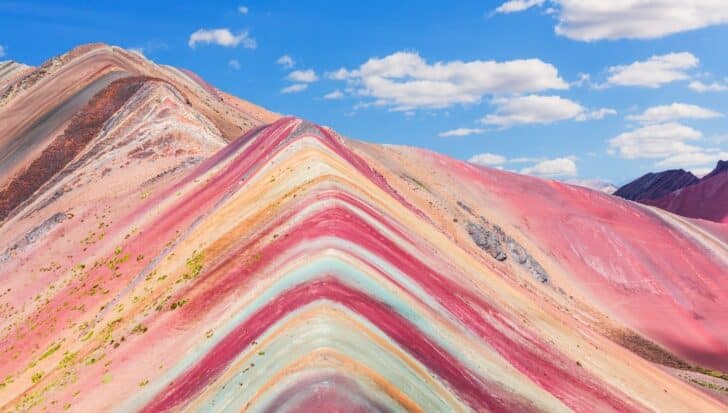
The Rainbow Mountain, or Vinicunca, lies within the Peruvian Andes about 62 miles (100 km) from Cusco.
Although it’s been around for generations, it was rediscovered in 2015 when the glaciers covering it melted, revealing colorful layers.
The vibrant turquoise, gold, lavender, and maroon streaks take their colors from many layers of vibrantly-colored minerals that were all pancaked on top of each other millions of years ago.
Cotahuasi Canyon is twice as deep as the Grand Canyon.
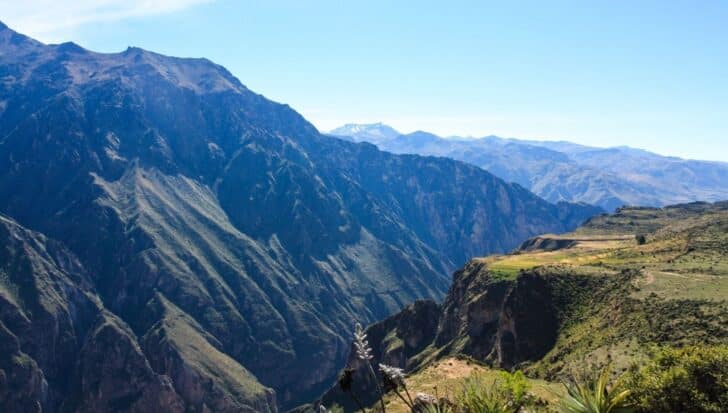
Cotahuasi Canyon is one of the deepest in the world, formed over the ages by erosion from the Cotahuasi River, between the Coropuna and Solimana mountains in Peru.
Its depth is approximately 11,595 feet (3,535 meters), while the Grand Canyon is just 6,093 feet (1,857 meters) at its deepest.
Lake Titicaca, shared by Peru and Bolivia, is the world’s highest navigable lake.
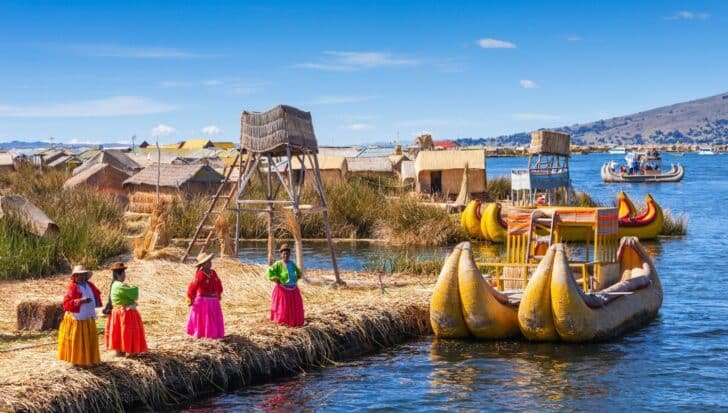
The lake sits 12,507 ft (3,812 m) above sea level, and boats can navigate through it for trade and transportation.
It’s also a relatively large body of water, covering approximately 3,232 square miles (8,372 km2).
Visitors love the scenic ride along the blue waters, but what draws tourists most are the Uros Islands, which are made almost entirely out of reeds and float on the lake’s surface.
Over half of the world’s Alpaca population is found in Peru.
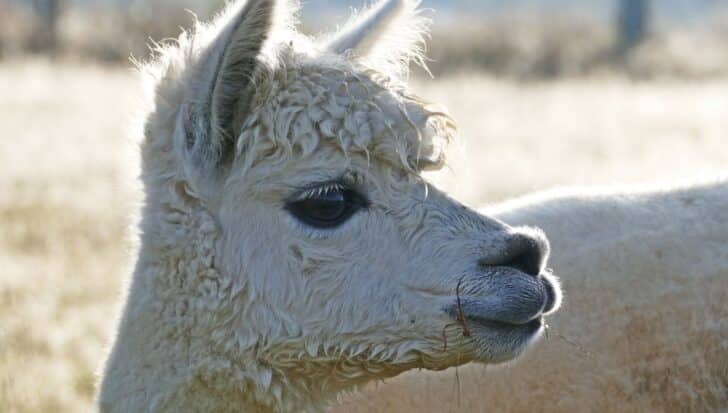
The people of Peru domesticated Alpacas about 6,000 years ago.
Alpacas are incredibly important to the Peruvian people. Their wool is harvested, spun, and knitted to make clothing.
With so many alpacas in the country, Peru is the world’s largest producer of alpaca wool.
In addition to wool, the Peruvian people also raise alpacas for their meat, which features in some traditional cuisines.
They were so important to the Inca that when the Spanish invaded, one of the first thing they did was reduce the Llama population by 98%.
The Vicuña, Peru’s national animal, produces some of the world’s most expensive wool.
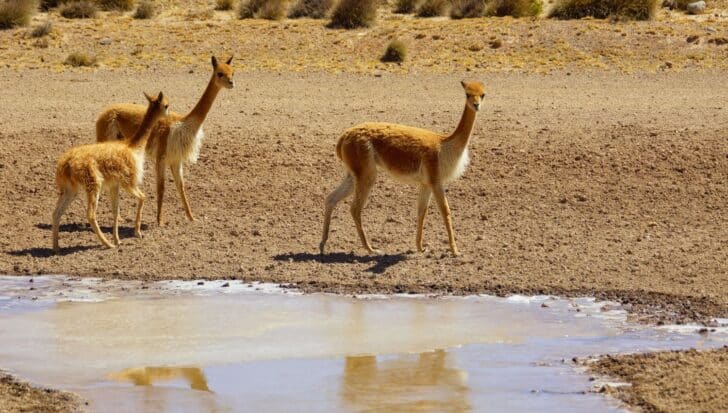
Vicuñas are camelids just like Alpacas and Llamas and are native to Peru.
They produce really fine wool but in only small quantities, making it one of the rarest and most expensive in the world.
Unlike Alpacas, Vicuñas live freely in the wild and are not domesticated.
They are typically captured from the wild and carefully shorn once every three years before being released again.
It’s worth the extra work, as Vicuña wool is even more prized for being soft and luxurious, and was historically reserved for royalty.
A flower found in Peru can take up to 150 years to bloom.
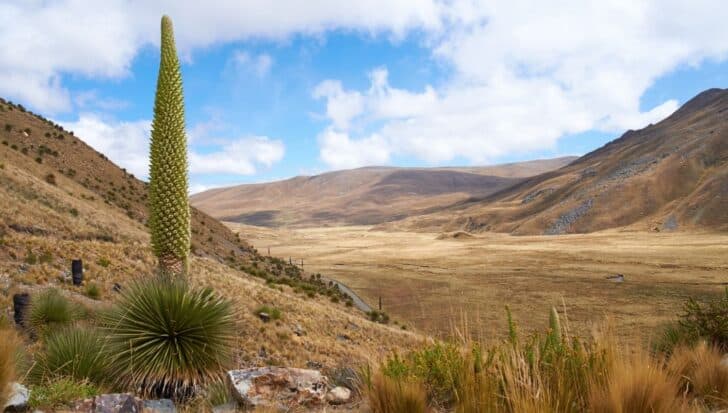
Puya Raimondii, commonly called the Queen of the Andes, is native to Peru and Bolivia.
It’s both the world’s largest bromeliad and the slowest-flowering plant, only blooming once in its lifetime, typically around the 80 or 150-year mark.
The Peruvian Amazon covers about 60% of the country.
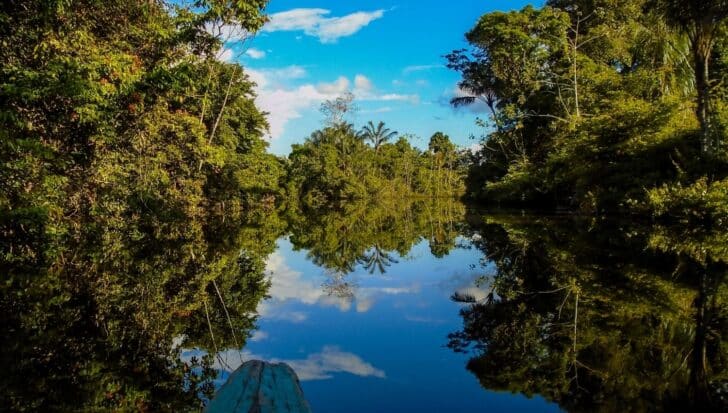
The Peruvian Amazon is vast, second only to the Brazilian part of the forest. It’s one of the best places to explore the Amazon and see the 12,810 species that call this forest home.
In addition to the wildlife, several indigenous communities live deep within this forest.
Approximately 15 uncontacted tribes, including the Mashco-Piro and Matsés, reside in the Peruvian portion of the Amazon, adhering to their traditional way of life.
Peru has changed its currency twice.
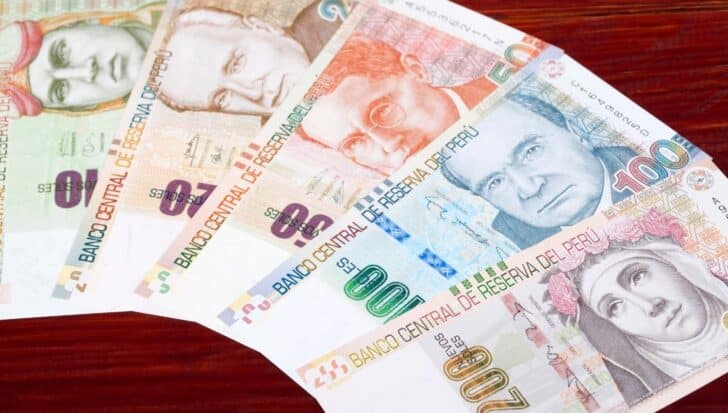
The Peruvian Sol (PEN) was Peru’s currency until 1985, when the country experienced rapid inflation. As a result, the government decided to switch to the Inti.
However, this wasn’t a lasting solution to the country’s economic challenges, and inflation quickly caught up with the new currency.
By 1990, with inflation finally coming under control, the government introduced the Nuevo Sol.
With beautiful and diverse landscapes such as the Andes mountains, Amazon forests, and coastal deserts, Peru is an adventurer’s paradise.
As the home of alpacas, around 4,000 potato varieties, mysterious Nazca lines, and even a vibrant rainbow mountain, you’ll never run out of things to do.
But what really makes Peru a land of wonder is its rich history and diverse cultures.
If you’re looking for an experience you can’t find anywhere else, Peru is the place to visit!