If you were asked to describe volcanoes with one word, scary might come to mind first.
And look, you’re not wrong—they’re huge mountains that spit fire and are capable of great destruction. But they are also fascinating.
First, for their great powerful eruptions. Then there’s the beautiful surrounding landscape, including lush forests, intimidating mountains, deep valleys, and breathtakingly beautiful lakes.
If you’re as impressed by volcanoes as you are scared of them, you should definitely stick around!. You’re about to learn incredible facts about one of nature’s most powerful forces.
A volcano’s shape depends on the kind of lava that erupts from it.
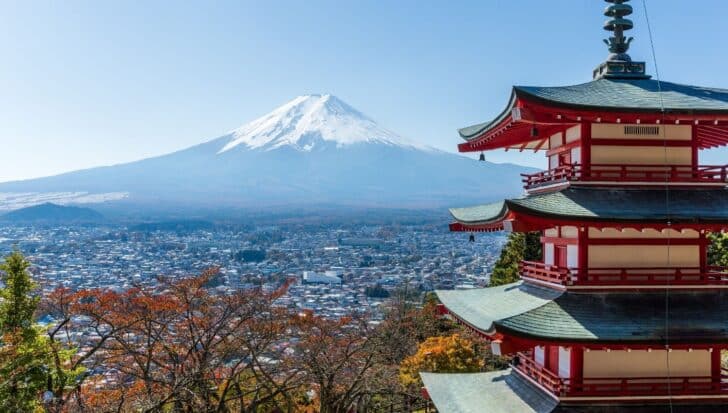
Tall, cone-shaped volcanoes such as Japan’s Mt. Fuji are called composite volcanoes or stratovolcanoes.
They erupt with thick lava that doesn’t get to roll down far before it hardens, creating a steep slope.
On the other hand, some volcanoes are much flatter, and these are called shield volcanoes.
The lava from these volcanoes is much more runny and spreads out more evenly before eventually solidifying, creating broad, gentle slopes.
Volcanoes can sometimes grow very fast.
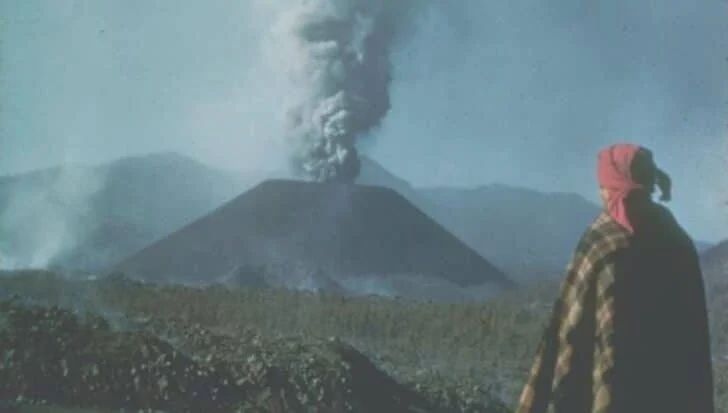
Believe it or not, volcanoes can appear overnight.
Imagine waking up one morning and finding a volcano in your backyard. That’s precisely what happened to a Mexican farmer, Dionisio Pulido, in 1943.
The volcano, called Parícutin, grew 164 feet (50 meters) on the first day and reached 492 feet (150 meters) by the end of the week.
It remained active over the next nine years and reached a final height of 1391 ft (424 m). It last erupted in February 1952 and, as of 2025, has remained dormant since.
Most volcanoes are underwater.
About 75% of the Earth’s volcanoes are roughly arranged in the shape of a horseshoe in the Pacific Ocean. This zone is called the Pacific Ring of Fire.
But just because these volcanoes are underwater doesn’t make them less active. In fact, 90% of all earthquakes also occur in this region.
The activities of underwater volcanoes have, over the years, shaped the landscape of the seafloor.
Even more impressive is that they sometimes grow large enough to break through the surface, forming new islands.
Volcanoes can be active, dormant, or extinct.
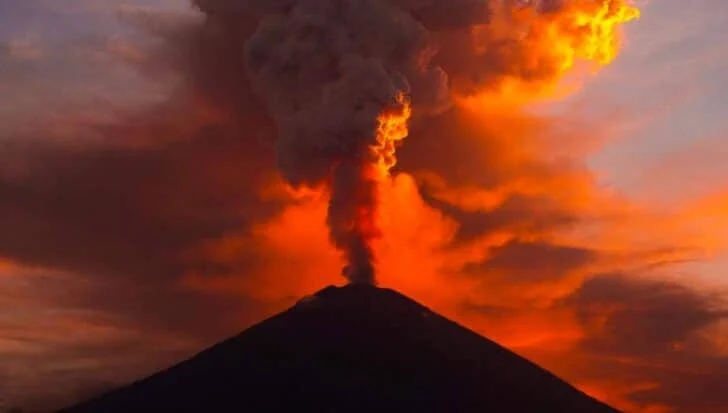
While there are no strict definitions, active volcanoes are generally defined as those that have erupted within the past 10,000 years.
This also includes any volcano currently erupting or showing signs of activity, such as releasing gas or minor earthquakes.
Now, if a volcano hasn’t been active for a while but scientists still believe it could become active again, it’s called dormant.
The last group, extinct volcanoes, haven’t been active in 10,000 years, and no one expects them to erupt again.
There are about 1,900 active volcanoes on Earth.
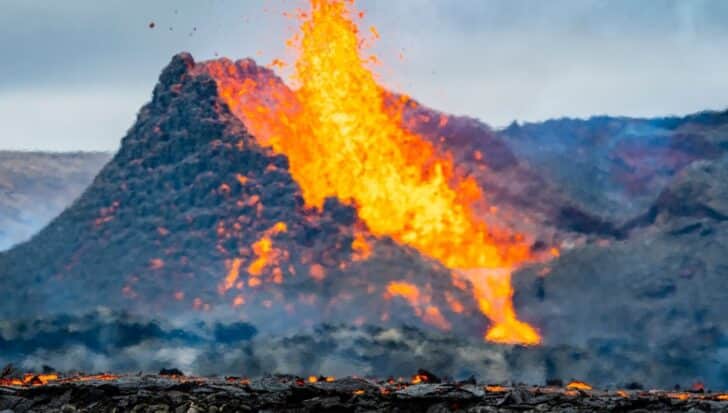
About 60 of these active volcanoes are likely to erupt every year. Indonesia is a particularly hot spot for volcanic activity.
In fact, 55 volcanoes have been active in the country since 1960, earning it the top spot.
Japan, with 40 active volcanoes, is close behind, and the United States, with 39 active volcanoes, is in third place.
The loudest sound in history was the Krakatoa eruption in 1883.
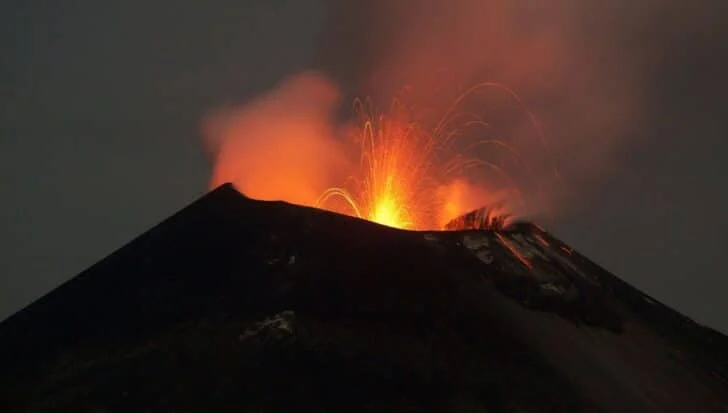
The sound of Krakatoa’s eruption in 1883 reached a whopping 310 decibels. To put this in perspective, it was heard loud and clear at the Bay of Bengal, about 1,300 miles (2092 km) away.
Even to people on islands in the western Indian Ocean 3000 miles (4828 km) from the blast, it was as loud as gunshots.
And for those that were close? The pressure was so intense that it ruptured the eardrums of the sailors nearby.
The only difference between lava and magma is location.
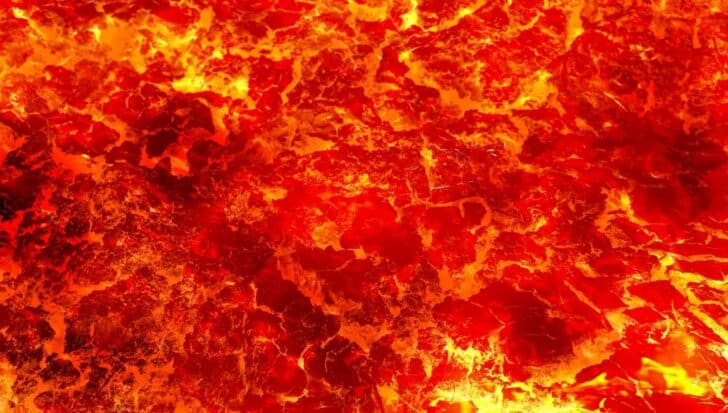
Magma is molten rock found within the Earth’s crust and volcanoes. When the Earth’s crust or mantle gets really hot, underground rocks begin to melt and rise.
Eventually, this molten rock reaches the surface, as in a volcanic eruption, and is called lava.
Some volcanoes spew ice when they erupt.
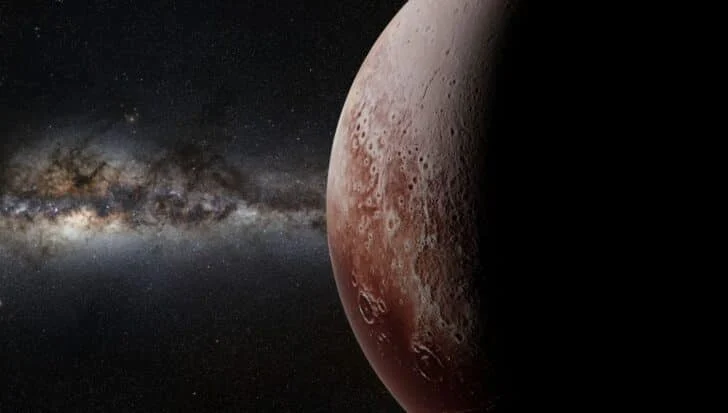
These extraordinary volcanoes, called cryovolcanoes, are found far from Earth, in places like Pluto, its moon Charon, and several of Neptune’s and Saturn’s moons.
Instead of molten rock, they release cryolava, a mixture of water, hydrocarbons, and ammonia from an underground cryomagma reservoir.
Since these planets are so cold, the cryolava freezes almost immediately, forming a new icy landscape.
Volcanic ash can spark lightning.
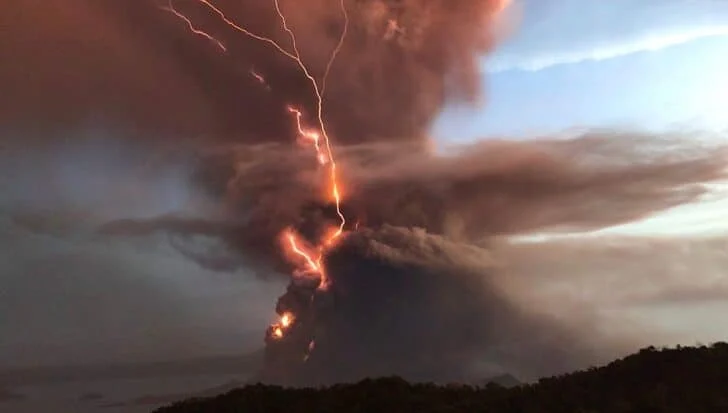
If you’ve ever seen a clip of a large volcanic eruption, you might notice some flashes of lightning within the towering ash and smoke. This phenomenon is known as volcanic lightning.
This spectacle is caused by ash particles rubbing against each other, generating static electricity. When this energy builds up enough, it’s released as lightning.
Over 80% of land on Earth is made by volcanoes.
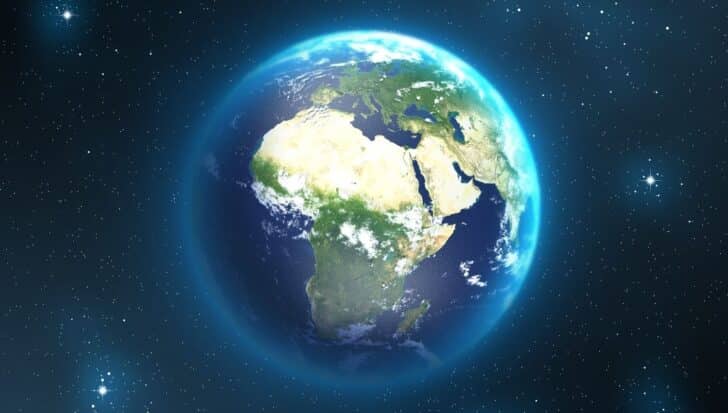
When lava flows out from volcanoes and eventually solidifies, it forms new land. This may create new mountains, valleys, and even entire islands.
Some islands were created solely by volcanic activity. Examples include Hawaii, Easter Island, the Galapagos Islands, and the Jeju Islands.
Mauna Kea volcano is taller than Mount Everest.
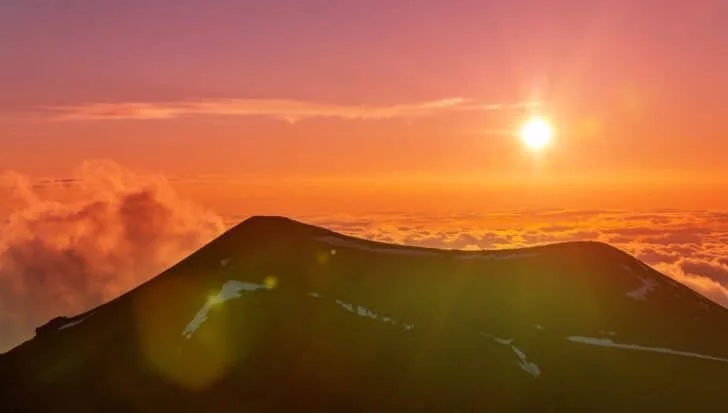
If you take your measurement at sea level, then Mount Everest is the tallest, at 29,032 ft (8,849 m).
However, if you measure from the mountain’s base to the peak, that title belongs to a different winner, a long-dormant volcano in Hawaii.
Mauna Kea measures 33,481 ft (10,205 m) from true base to peak, almost beating Everest by a literal mile (1609 meters).
However, since nearly 19,685 ft (6,000 m) of this mountain is buried under the ocean, it’s not considered the tallest mountain.
The largest volcano in our solar system is on Mars.
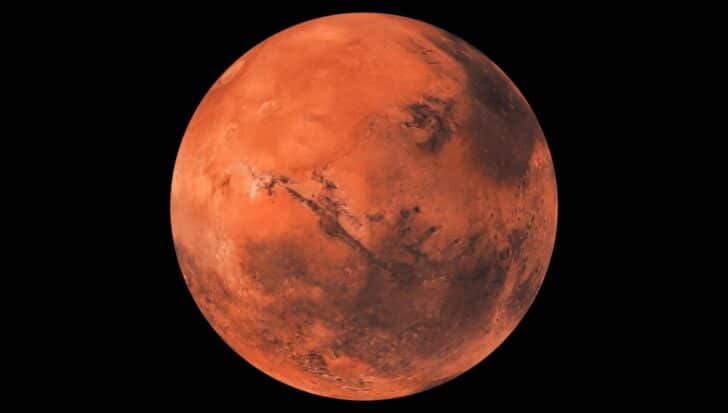
Olympus Mons, Latin for Mount Olympus, is both the tallest volcano and the tallest mountain in our solar system, and it absolutely dwarfs those on Earth.
This monster of a mountain measures 71,808 ft (21,887 m) from top to bottom, which is 2.5 times taller than Everest. Olympus Mons is also one of the youngest on Mars and last erupted 25 million years ago.
Magma can reach temperatures of up to 2200°F (1200°C) before erupting.
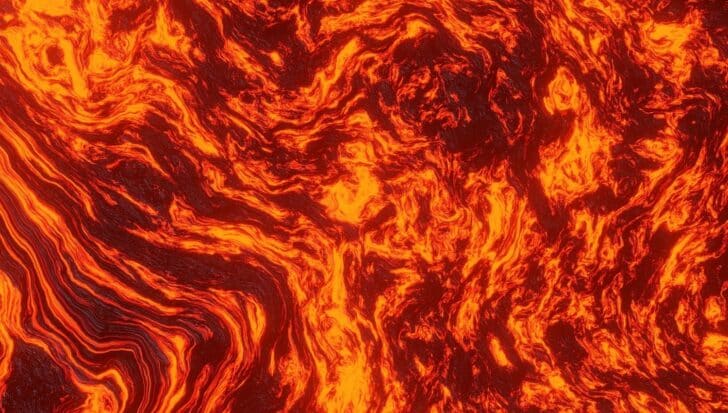
Getting this measurement is not easy, as getting too close is, surprisingly, quite dangerous.
At these scorching temperatures, magma can melt plastic and even metals like aluminum and copper.
Scientists may use an optical pyrometer at a safe distance to measure the temperature of magma, but it’s not perfect.
The most precise method is to insert a thermocouple directly into the lava.
You can tell how hot lava is by its color.
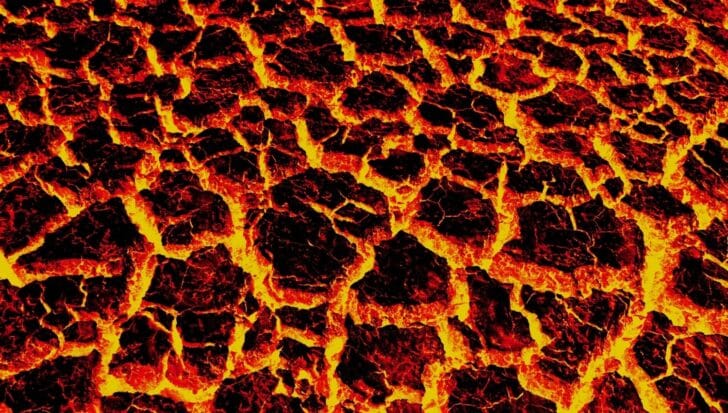
Lava comes in a wide variety of shades, from reds and oranges all the way through to browns and blacks.
The hottest is bright orange or red lava and is typically over 1832°F (1000°C).
If it appears darker and is more black or brown, it’s still not cool enough to touch! At this point, it’s still over 932°F (500°C).
The land around volcanoes is highly fertile.
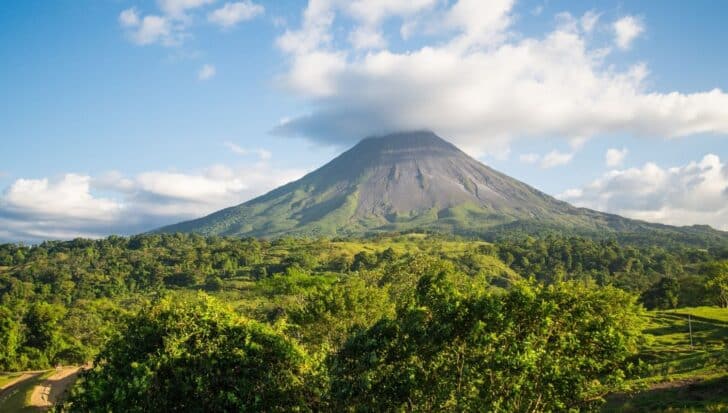
Volcanoes can be destructive forces of nature, but after the dust settles and new life grows, it really grows.
The volcanic ash released during an eruption mixes with the soil, acting as a natural fertilizer for plants. This explains why volcanic regions are blessed with gorgeous green vegetation.
One in ten people lives near an active volcano.
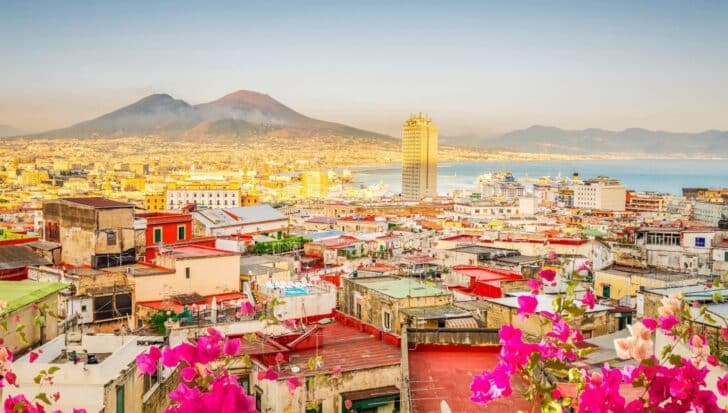
While it might sound dangerous, living near volcanoes has many benefits.
First, the soil is highly fertile and great for agriculture. Second, the volcanoes can generate geothermal energy for the local community.
Volcanoes are also huge tourist attractions, drawing visitors and boosting the region’s economy. Mining volcanic minerals and gems in these regions also provides jobs for residents.
Volcanoes can change the weather.
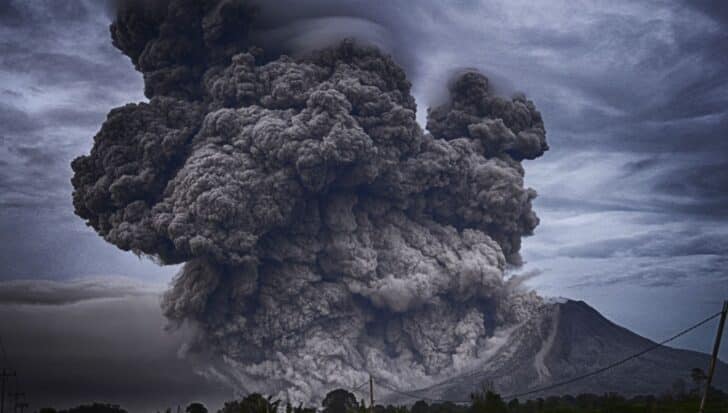
A great example of this is the Mount Pinatubo eruption in 1991. It released nearly 22 million tons (20 million metric tons) of sulfur dioxide into the air, forming a massive blanket over our atmosphere that blocked some of the sun’s rays.
As a result, global temperatures dropped by about 0.9°F (0.5°C). Volcanoes can also trigger rainfall and even fog, and you’ll often see a ring of clouds around their tops.
Erupting volcanoes smell like rotten eggs.
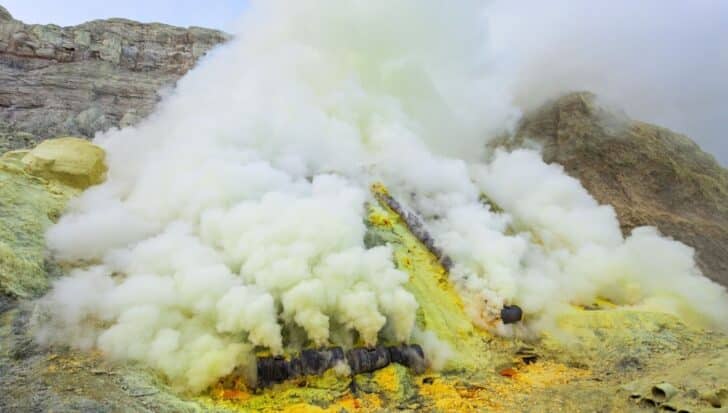
The smell of rotten eggs comes from hydrogen sulfide, which volcanoes release when they erupt. Volcanoes also release other gases, such as water vapor, sulfur dioxide, and carbon dioxide.
The sulfur often precipitates as yellow crystals on nearby rocks. The gases can also react with water to form sulfuric acid, which breaks down black basaltic rocks into red or yellow clay.
Volcanoes create beautiful gemstones.
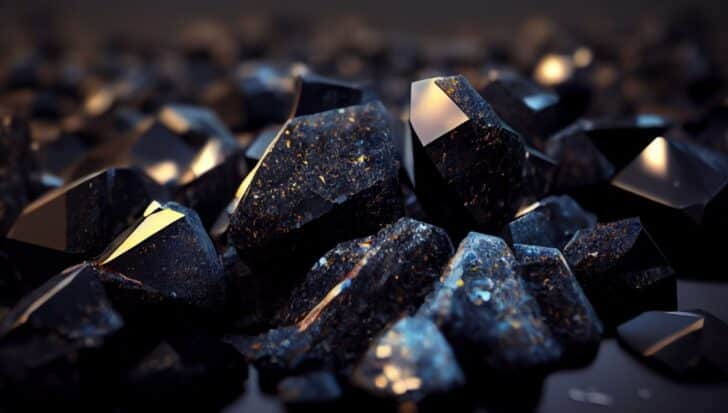
The intense heat and pressure of volcanic activity are the perfect conditions for forming gemstones like obsidian and peridot.
Diamonds also have a volcanic connection. While volcanoes don’t create diamonds, they help bring these gems closer to the surface when they erupt.
Indeed, by now, you must be more impressed than scared of volcanoes.
Of course, they are terrifying, unpredictable, and dangerous, but could you imagine our planet without the beautiful landscape they create?
The economy of many communities depends on volcanoes through agriculture and mining. But the effects of volcanoes aren’t just felt locally.
They can impact the world in so many ways, even through changes to the weather.