 27 mins Read
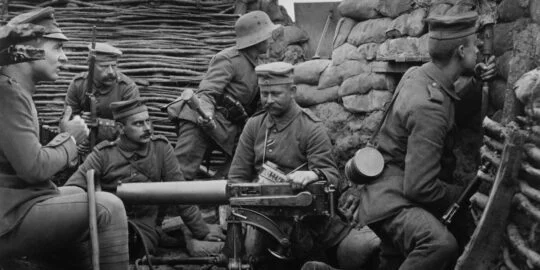
100 World War I Facts That Everyone Should Know
27 mins Read
100 World War I Facts That Everyone Should Know
During the First World War, American schools banned the teaching of German as it was seen as the enemy's language.
Like it or not, war is a constant part of our world. We may not live in a war-torn country, but sometimes our own countries have a hand in wars abroad.
It’s important to keep up with the effects of war and weapons in order to do what we can to prevent it in the future!
27 mins Read
100 World War I Facts That Everyone Should Know
During the First World War, American schools banned the teaching of German as it was seen as the enemy's language.
 4 mins Read
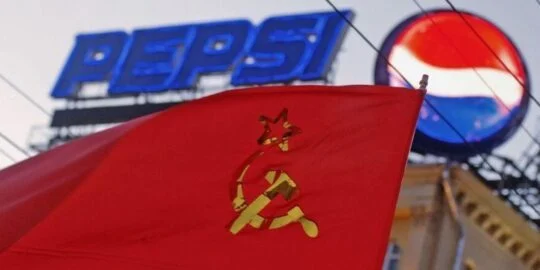
How Pepsi Became The Sixth Largest Military In The World
4 mins Read
How Pepsi Became The Sixth Largest Military In The World
Did you know that during the Cold War, Pepsi Co became the sixth largest military in the world?
 4 mins Read
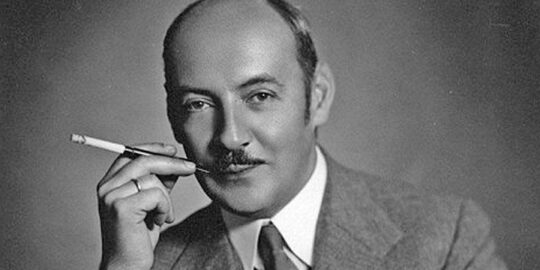
Albert Göring, The Anti-Nazi Brother of Hermann Göring
4 mins Read
Albert Göring, The Anti-Nazi Brother of Hermann Göring
Knowing that upon his death his pension would go to his wife, Albert Göring married his housekeeper one week before he died.
 8 mins Read
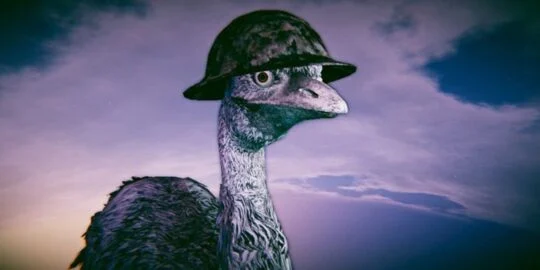
The Great Australian Emu War of 1932
8 mins Read
The Great Australian Emu War of 1932
Australia's national bird, the emu can run up to 30 miles per hour. This caused issues when the Great Emu War was in full swing.
 42 mins Read
100 History Facts They Didn’t Teach You At School
42 mins Read
100 History Facts They Didn’t Teach You At School
A singing birthday card has more computer power in it than the entire Allied Army of WWII.
 4 mins Read
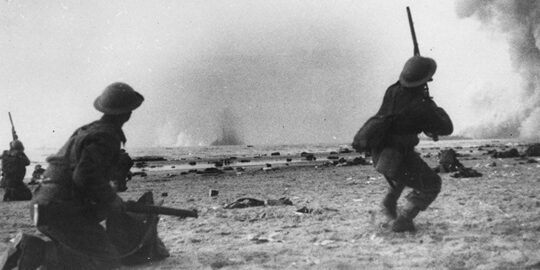
The Untold Story Of The Dunkirk Evacuations
4 mins Read
The Untold Story Of The Dunkirk Evacuations
During the Dunkirk Evacuations, Churchill expected 30,000 troops to return to England. He was very wrong, but in a good way...
 2 mins Read
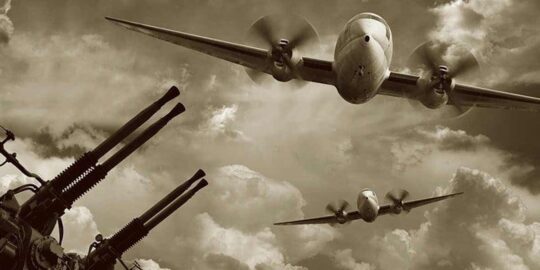
NUTS! – The American Army’s Response to A Christmas Call For Surrender
2 mins Read
NUTS! – The American Army’s Response to A Christmas Call For Surrender
A quirky response to the German's demand for surrender went on to be a major morale boost for American troops.
 2 mins Read
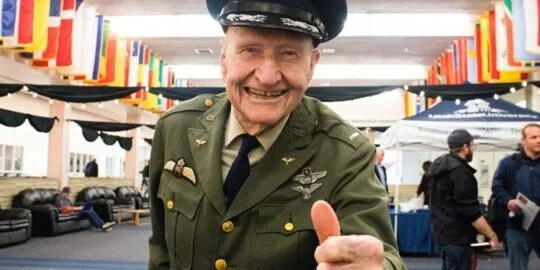
Why Uncle Wiggly Wings Delivered Chocolate to Children
2 mins Read
Why Uncle Wiggly Wings Delivered Chocolate to Children
Uncle Wiggly Wings was a generous pilot who shared treats with children during the Cold War between 1948 & 1949.
 10 mins Read
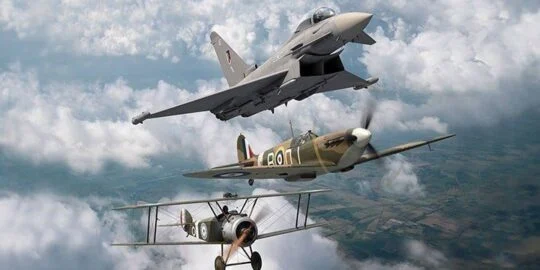
The World War II Ace Pilot with No Legs
10 mins Read
The World War II Ace Pilot with No Legs
Pilots can lose consciousness due to too much G-Force. Legless pilot Douglas Bader used this to his advantage...
 2 mins Read
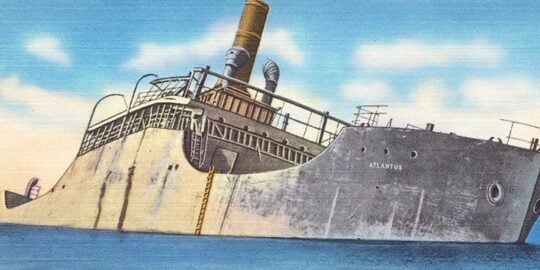
Concrete Ships of World War I & II
2 mins Read
Concrete Ships of World War I & II
To counter the more important military uses for steel, US President Woodrow Wilson approved the construction of 43 concrete ships.
 5 mins Read
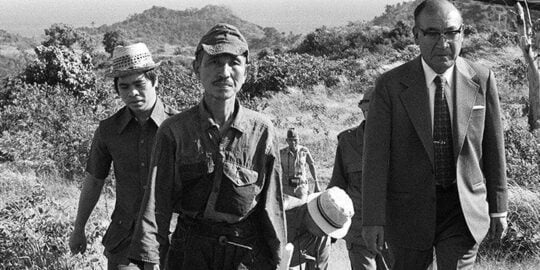
A Japanese Soldier Took 29 Years to Surrender After WWII
5 mins Read
A Japanese Soldier Took 29 Years to Surrender After WWII
Hiroo Onoda saw leaflets announcing Japan's surrender during WWII. He thought it was a trick and chose to ignore it.
 3 mins Read
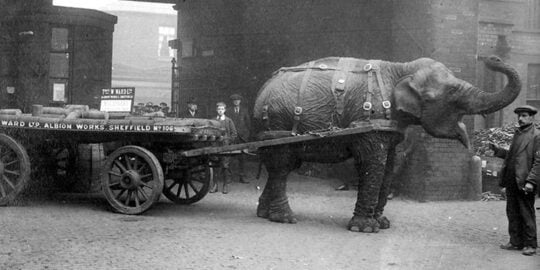
Lizzie the Elephant, Sheffield’s WWI Industrial Mascot
3 mins Read
Lizzie the Elephant, Sheffield’s WWI Industrial Mascot
Lizzie the elephant helped transport machinery around Sheffield, England during WWI.